

Comprehending Heat Pump Units: Service vs. Replace in the Mile High Ci…
페이지 정보

본문
Heat pump systems are a popular choice for homeowners in Denver, offering an effective solution for climate control demands. With the city's changing temperatures, having a trustworthy heat pump system can create a substantial difference in quality of life and utility bills. However, as with any home system, these systems can encounter issues over time, resulting homeowners to deal with the question of whether to fix or buy a new their unit.
When considering the repair of a heat pump or upgrading, it's crucial to examine the state of your system, its lifespan, and your budget. Identifying the signals that indicate a need for service is vital for making educated decisions. This article will explore the intricacies of heat pumps, covering repair options, service guidelines, and the considerations that come into play when deciding whether to invest in a new installation in Denver.
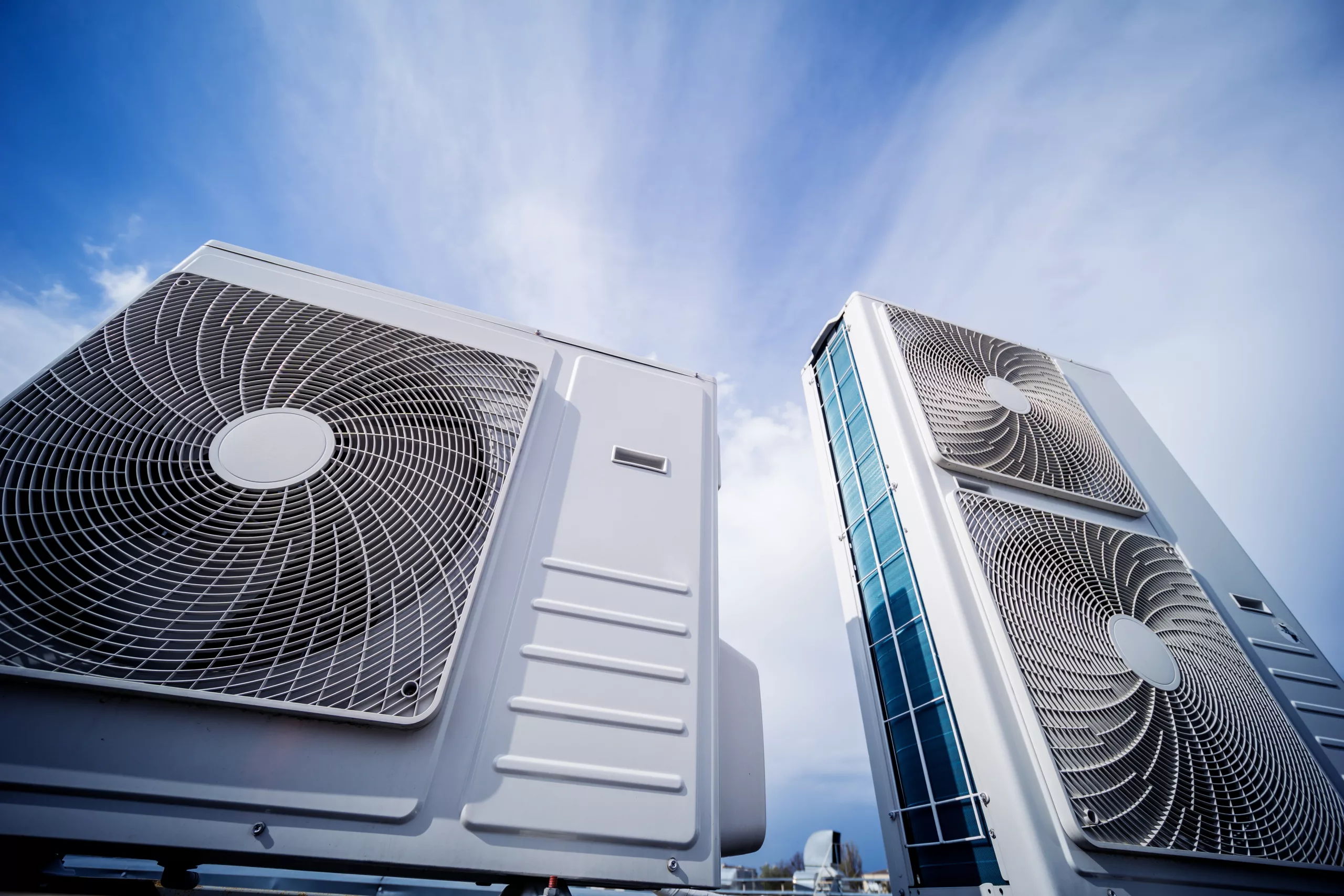
Grasping Heat Pump Repair
Heat pump units are vital for maintaining pleasant indoor climates in Colorado, particularly given the region's changing weather conditions. When a unit begins to show signs of poor performance or dysfunction, understanding the details of heat pump fixing becomes necessary. Residents need to be aware of typical issues, such as refrigerant leaks, electrical malfunctions, or filter issues that may hinder the system's efficiency.
Timely heat pump repair can stop more extensive damage and costly new installations. Specialized services in Colorado provide detailed diagnostic assessments to identify the main causes of concerns. These assessments ensure that services tackle the specific concerns rather than merely addressing symptoms, which can lead to better long-term functionality and energy savings.
In many instances, choosing repair can extend the duration of the heat pump and improve overall system dependability. Homeowners should weigh the possible benefits of repairing their heat pumps against the price of getting a new one. Routine maintenance and swift services can significantly boost the system's performance, providing comfort while reducing energy bills in the long term.
Elements Affecting Substitution
As assessing the necessity for heat pump substitution, one of the considerations is the duration of the system. In most cases, heat pumps have a service life of about ten to fifteen years. Through the years, the efficiency of the unit tends to decline, causing increased energy bills and inadequate heating or cooling. When your heat pump is approaching the end of its lifespan and frequently requires service, it may be more prudent to invest in a replacement unit rather than continuing to invest in service.
An additional important aspect is the efficiency and efficiency of the existing heat pump. Contemporary heat pumps are considerably more energy-efficient compared to previous models due to developments in technology. When your unit is having trouble to maintain comfortable environment or when you notice fluctuating energy bills, it may indicate that a replacement is warranted. Boosting your home’s energy efficiency may not only enhance comfort but also reduce utility costs in the long run.
Finally, the amount and expense of maintenance can significantly influence the decision to replace rather than repair. When you frequently needing heat pump service in the Denver region often, evaluating the cumulative prices of these services can be revealing. A common rule is that when the cost of repairs in a year exceeds half of the new unit cost, it may be time to think about a new heat pump. Evaluating these elements meticulously can help homeowners make informed decisions about their heating needs.
Cost Comparison: Repair vs. Replace
When it comes to dealing with heat pumps in Denver, grasping financial implications of fixing versus substitution is essential. Fixing a heat pump commonly tends to cost less initially. Minor fixes, such as repairing a refrigerant leak or swapping a faulty thermostat, might only cost a few hundreds of dollars. Additionally, if the system is still covered by warranty, some repair costs could even be included, making repairs an good option for those looking to save cash in the short term.
On the flip side, substituting a heat pump entails a more considerable investment upfront. The price of a new unit, including setup, can vary between several thousands of dollars depending on the size and efficiency of the chosen model. However, a new system comes with the advantage of reduced energy bills due to improved efficiency, potentially counterbalancing the starting cost in the long run. Moreover, many new heat pumps come with warranties that offer security, lessening future repair expenses for a certain period.
Ultimately, the decision to repair or replace should not solely rely on short-term costs. Factors such as the age of the current system, frequency of previous repairs, and anticipated future needs should be considered. If your heat pump is relatively recent and minor issues occur, repair might be the most suitable option. Conversely, if your system is getting old and fixing expenses begin to add up, investing in a new heat pump may be the more economical choice in the future.
Indicators That You Require a New Heat Pump
One of the most noticeable signs that one may want a new heat pump is a significant drop in energy efficiency. If your energy bills have abruptly increased without a corresponding change in consumption, it could imply that your heat pump is having difficulty to function effectively. Older systems typically become more costly over time, leading to higher operational costs. An immediate inspection by a technician can help confirm whether fixes is insufficient or if a new system is advisable.
A further indicator is a reduction in performance, such as variable heating or cooling throughout your home. If one notice certain areas remain uncomfortably hot or cold, the heat pump may be unable to provide adequate temperature control. A faulty system may also produce strange noises—like clanking, grinding, or hissing—that signal potential internal issues. These performance-related concerns are often signs of an aging unit that may warrant a new system.
Finally, if the heat pump is over 10 to 15 years old, it may be time to think about a replacement option. Innovations in HVAC technology offer more energy-efficient models that can lead to considerable savings and improved comfort. Regular repairs may also point to an aging heat pump that might not meet the demands of your household. If one find yourself scheduling heat pump service in Denver Heat Pump Services CO, it could be more cost-effective in the long run to invest in a new system.
Opting for the Suitable Assembly Provider
Choosing a right heat pump setup service in Denver is crucial for guaranteeing top performance and durability of your system. Commence by looking into local companies that concentrate in heat pump services. Seek out providers with favorable customer reviews and adequate licensing and insurance. This not just assures quality workmanship and also safeguards you from possible liabilities.
It is also important to consider the experience and expertise of the technicians. A company that has been in the industry for several years will likely have a proven track record of successful installations. Inquire about their training and certifications, as knowledgeable technicians can guide advise the best heat pump models and sizes suited for your home.
Finally, obtain multiple quotes to compare costs and services. While price is a factor, it should never be the only consideration. Aim for a balance between quality service and affordable pricing. A reliable installation service will not just ensure your heat pump system is installed correctly but also offer ongoing support and maintenance options, giving you peace of mind for the future.
- 이전글Mostbet uz: provayderlar yangiliklari va RTP monitoringi 26.04.29
- 다음글Pressure Wash Secrets: Obtaining a Clean Roof and Siding 26.04.29
댓글목록
등록된 댓글이 없습니다.